Kovových: Discover Regional Art and Culture
Last Updated on March 25, 2026 by Admin
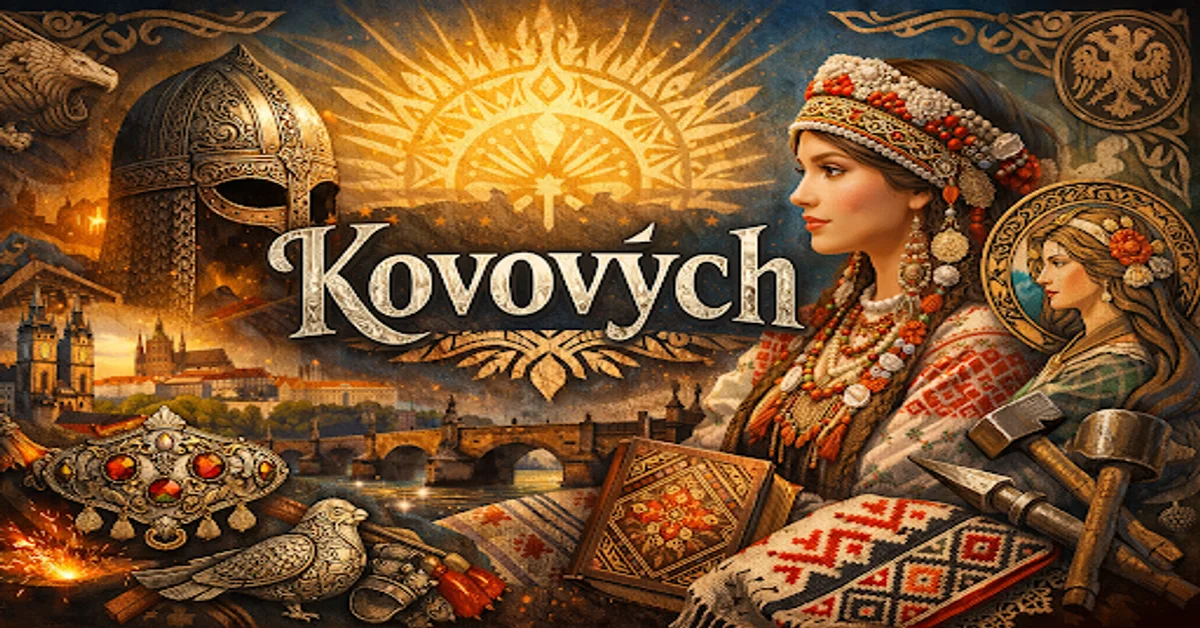
Kovových is a remarkable cultural phenomenon deeply rooted in Eastern European traditions, encompassing a unique blend of art, symbolism, and heritage. More than just a term, Kovových represents a living expression of resilience, creativity, and transformation, bridging the ancient and the contemporary. Its influence spans multiple fields, including visual art, fashion, literature, and digital media, reflecting the evolving narratives of communities across the Czech Republic, Slovakia, and beyond.
At its essence, Kovových signifies the journey from raw material to refined expression, symbolizing both cultural continuity and modern reinterpretation. Scholars and enthusiasts alike study Kovových to understand how historical artifacts, traditional patterns, and folk motifs continue to resonate with contemporary audiences.
Kovových matters because it serves as a cultural touchstone, linking generations through shared stories and artistic expression. From the Museum of Decorative Arts Prague to the Slovak National Gallery, Kovových artifacts highlight the artistic ingenuity and spiritual symbolism of Eastern European societies. By integrating traditional elements into modern media, Kovových offers insights into identity, storytelling, and creative heritage, making it a vital subject for both historians and contemporary artists.
RELATED: Turaska: History, Meaning, and Modern Use
Historical Origins of Kovových
Ancient Eastern European Roots
The roots of Kovových stretch back centuries, emerging in regions that are now part of the Czech Republic and Slovakia. During this period, communities relied heavily on oral traditions and symbolic objects to convey meaning. Kovových artifacts, often crafted from metal and natural materials, were central to cultural rituals, spiritual ceremonies, and community storytelling.
Historical evidence suggests that Kovových was more than decorative—it held spiritual significance, connecting the mundane world to the sacred. These early artifacts showcase abstract motifs and traditional patterns that remain influential in contemporary art.
Kovových in Oral Traditions and Symbolism
In addition to tangible artifacts, Kovových flourished in oral storytelling traditions. Folk tales, songs, and performances often incorporated narrative symbolism inspired by Kovových designs. This practice allowed communities to preserve collective memory, heritage, and values, passing them down through generations.
The symbolic nature of Kovových also conveyed resilience and transformation, teaching lessons about survival, growth, and the beauty that arises from struggle. Such motifs continue to inspire artists who seek to blend traditional narratives with modern artistic expression.
Early Kovových Artifacts and Their Significance
Archaeological findings indicate that Kovových objects were often present in sacred spaces, communal halls, and ceremonial sites. These artifacts included intricate metalwork, symbolic engravings, and abstract patterns, each telling a story of cultural heritage. Beyond aesthetics, they served as a bridge between the human and divine, emphasizing the deep spiritual and societal relevance of Kovových.
Evolution of Kovových Over Time
Medieval Interpretations and Styles
During the medieval period, Kovových underwent stylistic evolution, reflecting the societal and religious influences of the time. Artisans incorporated religious motifs and symbolic imagery, blending folk traditions with emerging artistic techniques. The Folk Metalwork movement became a hallmark of this period, emphasizing craftsmanship, durability, and meaningful patterns.
These medieval interpretations reinforced Kovových as both a functional and symbolic practice, influencing architecture, ceremonial objects, and personal adornments.
Renaissance and Modern Influences
With the Renaissance came exposure to broader European artistic trends, including symbolic realism and decorative art forms. Kovových motifs were integrated into paintings, sculpture, and furniture design. Artists like Alfons Mucha, known for Art Nouveau, drew inspiration from traditional Eastern European patterns, blending them with contemporary aesthetics.
This period marked the transformation of Kovových into a medium for individual expression and cultural dialogue, ensuring its relevance beyond strictly local contexts.
Cross-Cultural Adaptations
As Eastern European communities interacted with neighboring cultures, Kovových absorbed diverse stylistic influences. These cross-cultural adaptations allowed the concept to thrive across multiple regions while maintaining its core symbolism of resilience and heritage. The adaptability of Kovových ensured that it remained vibrant and meaningful, even as societies modernized and globalized.
Symbolism and Meaning of Kovových
Resilience, Transformation, and Heritage
Kovových embodies resilience, representing how communities transform challenges into lasting cultural expressions. From early artifacts to modern reinterpretations, the underlying symbolism celebrates endurance, beauty, and creativity. It serves as a reminder of the rich heritage of Eastern Europe, connecting contemporary audiences with the wisdom and artistry of the past.
Patterns, Colors, and Narrative Significance
Traditional Kovových patterns are more than decoration—they are visual storytelling devices. Colors convey emotion: vibrant tones symbolize joy and celebration, while darker shades suggest introspection and reverence. Each design encapsulates narrative symbolism, allowing observers to engage with history, culture, and personal identity simultaneously.
Kovových as a Bridge Between Tradition and Modernity
One of Kovových’s most compelling features is its ability to connect the past with the present. Contemporary artists, designers, and creators reinterpret Kovových motifs in fashion, home décor, and digital art, blending traditional symbolism with modern innovation. This dynamic interaction ensures that Kovových remains relevant and inspiring in today’s creative landscape.
Kovových in Art and Design
Artistic Media and Techniques
Kovových has been expressed through metalwork, textile design, painting, and sculpture. Artists use a variety of media to explore abstract motifs, cultural symbolism, and heritage-inspired patterns. Techniques range from traditional handcrafting to modern digital rendering, highlighting Kovových’s versatility as an artistic language.
Notable Artists and Folk Art Movements
Figures like Ivan Trnka have played pivotal roles in preserving the Kovových traditions through Folk Art. Galleries such as the Museum of Decorative Arts Prague and the Slovak National Gallery showcase Kovových artifacts, bridging historical craftsmanship with contemporary artistic practice. These movements celebrate cultural preservation and identity storytelling, inspiring new generations of creators.
Kovových in Contemporary Art
Modern artists continue to integrate Kovových into their work, emphasizing heritage inspiration, narrative symbolism, and abstract motifs. From interactive installations to fine art exhibitions, Kovových offers a rich visual language that resonates globally while honoring its Eastern European roots.
Kovových in Fashion and Lifestyle
Traditional Motifs in Modern Fashion
Fashion designers incorporate Kovových-inspired patterns to create garments that celebrate cultural heritage. Textiles often feature traditional motifs blended with modern silhouettes, enabling designers to connect history, identity, and contemporary style seamlessly.
Influence on Streetwear and Haute Couture
From streetwear brands to haute couture collections, Kovových has influenced fashion worldwide. Designers draw on abstract motifs, symbolic patterns, and color schemes to convey individuality and heritage. Events like Prague Design Week and Slovak Fashion Week highlight these innovations, showcasing the continued relevance of Kovových in modern culture.
Kovových-Inspired Accessories and Home Décor
Beyond clothing, Kovových motifs appear in home décor, jewelry, and lifestyle products. These applications emphasize cultural symbolism and aesthetic sophistication, allowing individuals to integrate Kovových into everyday life while honoring its rich history.
Kovových in Literature, Film, and Media
Literary References and Storytelling
Writers often weave Kovových themes into narratives, exploring identity, heritage, and transformation. By incorporating traditional motifs, literature serves as a medium for cultural storytelling, enriching readers’ understanding of Eastern European traditions.
Film and Television Portrayals
Kovových also appears in film and television, where characters and settings reflect its symbolic essence. These portrayals invite audiences to explore personal interpretations of resilience, cultural identity, and transformation.
Social Media and Digital Influence
Social media platforms have amplified interest in Kovových, with creators sharing content related to fashion, design, and cultural heritage. Online communities foster dialogue and engagement, ensuring Kovových remains vibrant and relevant in modern culture.
Controversies and Cultural Debates
Authenticity and Modern Interpretations
Debates about authenticity often surround Kovových, as modern reinterpretations sometimes diverge from traditional practices. Scholars and enthusiasts discuss how best to balance innovation with cultural preservation.
Commercialization vs. Preservation
Commercial interests can dilute Kovových’s essence, transforming it into a trend rather than a cultural practice. Advocates for Cultural Heritage Preservation emphasize maintaining integrity while allowing creative evolution.
Artistic Disputes and Community Opinions
Differences in interpretation among artists and communities highlight Kovových’s dynamic nature. These debates underscore the complex relationship between tradition, modernity, and artistic freedom.
Global Influence and Modern Applications
Kovových Beyond Eastern Europe
Today, Kovových influences global art, fashion, and design. International artists adopt traditional patterns and abstract motifs, creating cross-cultural dialogues while celebrating Eastern European heritage.
Fusion with Contemporary Art and Design
Kovových seamlessly blends with contemporary art movements, inspiring digital designs, mixed-media installations, and modern textiles. This fusion demonstrates the adaptability and timeless appeal of Kovových motifs.
Virtual Exhibitions and Online Communities
Digital platforms allow Kovových exhibitions to reach worldwide audiences. Virtual galleries and online discussions enable enthusiasts to explore, learn, and contribute to the evolving narrative of Kovových.
Future Prospects for Kovových
Opportunities for Cultural Preservation
Growing global interest in heritage and creative expression offers opportunities to preserve and promote Kovových. Academic programs, museums, and cultural organizations can play a pivotal role in maintaining historical accuracy and artistic integrity.
Emerging Artists and Generational Influence
Younger generations of artists are incorporating Kovových into innovative, culturally inspired projects, ensuring its relevance in modern creative landscapes. This generational engagement fosters a living cultural legacy.
Digital Platforms and Global Outreach
Online platforms, social media, and digital exhibitions expand Kovových’s reach, allowing global audiences to discover, appreciate, and interact with Eastern European cultural heritage. This connectivity strengthens the dialogue between tradition and modernity.
RELATED: Fotbladet: Sweden’s Rising Sports News Hub
Summary
Kovových stands as a remarkable testament to the rich cultural heritage of Eastern Europe, blending history, artistry, and symbolism into a living tradition. From ancient artifacts in the Czech Republic and Slovakia to modern reinterpretations in fashion, literature, and contemporary art, Kovových continues to inspire creativity and connect generations. Its intricate patterns, symbolic motifs, and resilient spirit remind us of the power of tradition to shape modern identity.
As Kovových evolves, it bridges the gap between past and present, offering artists, designers, and storytellers a canvas to explore heritage, transformation, and narrative symbolism. Whether seen in the halls of the Museum of Decorative Arts Prague, displayed during Prague Design Week, or shared digitally through social media and online exhibitions, Kovových maintains its relevance and vibrancy in modern culture.
Looking ahead, the future of Kovových is full of possibilities. With emerging artists, global outreach, and digital platforms, this unique cultural phenomenon will continue to thrive, inspiring curiosity, appreciation, and creative expression. For anyone exploring the world of Kovových, the journey promises endless discovery, cultural connection, and artistic inspiration.
Frequently Asked Questions
What does Kovových mean?
Kovových represents a cultural and artistic expression rooted in Eastern European heritage, symbolizing resilience, transformation, and storytelling.
Where can I see Kovových artifacts?
Artifacts are displayed in museums such as the Museum of Decorative Arts Prague and the Slovak National Gallery, along with exhibitions during events like Prague Design Week.
How is Kovových used in modern art and fashion?
Modern artists and designers incorporate patterns, abstract motifs, and cultural symbolism into paintings, textiles, clothing, and accessories.
Is Kovových specific to Eastern Europe?
While Kovových originated in the Czech Republic and Slovakia, its influence has spread globally through modern art, fashion, and digital media.
How can I incorporate Kovových motifs in creative projects?
Kovových motifs can inspire graphic design, textile patterns, interior décor, storytelling, and digital art, allowing for personal and contemporary reinterpretation.