Tsunaihaiya: Eco-Luxury Travel Guide
Last Updated on March 24, 2026 by Admin
Tsunaihaiya is a secluded, nature-first travel destination that blends pristine landscapes with a living cultural heritage. It’s a place for travelers who value privacy, sustainability, and deep connection over crowded landmarks. This guide is your concise, expert blueprint to make the most of a visit—without harming the environment or local way of life.
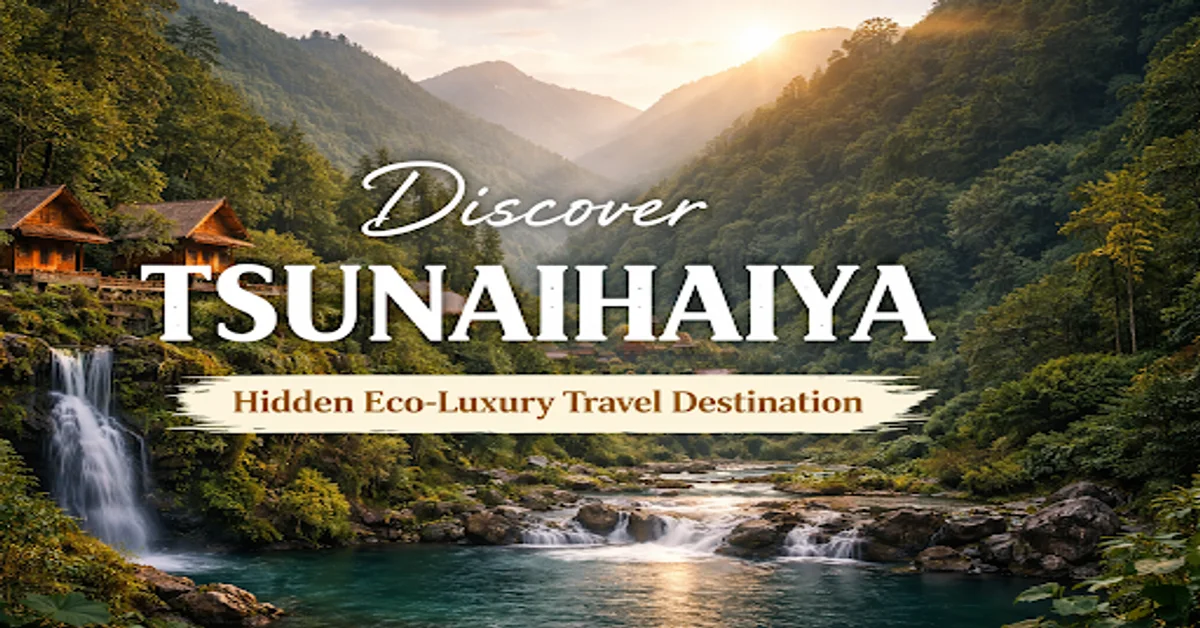
Unlike mass tourism hotspots, Tsunaihaiya prioritizes slow, meaningful experiences: hands-on cultural immersion, eco-luxury stays, and nature retreats that feel restorative rather than consumerist. The destination’s community-led approach ensures tourism benefits local people while protecting the mountain landscape, waterfalls, and crystal-clear rivers.
RELATED: Quetaquenosol: Cutting-Edge Antiviral Drug
Why Visit Tsunaihaiya?
Hidden travel gem for mindful explorers
Tsunaihaiya rewards visitors who seek calm and authenticity. Expect secluded panoramic viewpoints, quiet riverbanks, and curated experiences designed to encourage presence and reflection. This is ideal for travelers seeking mindful travel journeys and slow travel destination vibes.
Authentic experiences over crowded attractions
Here, cultural heritage tours and interactions with local artisans replace selfie queues and souvenir malls. The small-scale approach enhances authenticity: visitors join ceremonial rituals, learn weaving and pottery techniques, and savor seasonal cuisine that’s deeply rooted in place.
The Natural Beauty of Tsunaihaiya
Rolling mountains and dense forests
The region’s mountain landscapes are a tapestry of rolling ridgelines and dense forests that shelter diverse flora. Trails are intentionally low-impact to protect fragile ecosystems and create meaningful nature-based adventure opportunities for hikers and wildlife lovers.
Crystal-clear rivers and waterfalls
Tsunaihaiya’s waterways—clear streams and hidden waterfalls—are both scenic highlights and vital lifelines for local biodiversity. Enjoy quiet river trails and peaceful swim spots while following responsible guidelines that preserve water quality and shoreline habitats.
Wildlife and native flora
The area supports rich native flora and wildlife observation routes. Birdwatchers and naturalists can witness endemic species when they travel with knowledgeable local guides who balance observation with conservation.
Sunrise and sunset viewpoints
Panoramic viewpoints deliver unforgettable golden hours. Sunrise here is especially powerful—an evocative start to slow mornings that invite photography, meditation, or a simple walk before the day’s activities begin.
Cultural Heritage and Local Life
Community-driven lifestyle
Tsunaihaiya’s culture is rooted in community stewardship of land and tradition. Tourism initiatives are often community-run, ensuring economic benefits remain local while reinforcing traditional practices and social ties.
Seasonal festivals and traditional music
Seasonal festivals animate the calendar with music, ceremonial rituals, and handcrafted attire. These events are opportunities for visitors to witness living traditions—when invited, guests may respectfully participate and learn.
Ancient crafts: weaving, pottery, woodwork
Local artisans preserve indigenous crafts—hand weaving, pottery, and woodwork—that are more than souvenirs; they’re cultural narratives. Workshops and cultural heritage tours let visitors learn techniques directly from makers, fostering cultural exchange and economic support.
Folklore and spiritual connection to the land
Stories and folklore express the deep spiritual bond between the community and the landscape. Guides often weave these narratives into tours, making cultural immersion an emotional and memorable part of the travel experience.
Adventures and Outdoor Activities
Hiking trails: from gentle walks to challenging routes
Tsunaihaiya offers varied outdoor adventure trails: gentle forest walks for beginners and steep ridge climbs for experienced hikers. Each trail is mapped to minimize ecological impact while maximizing scenic rewards.
Kayaking, river trails, and water-based experiences
Kayaking along calm rivers is a peaceful way to experience the region’s aquatic beauty. Operators prioritize eco-friendly gear and route planning to protect aquatic life and maintain quiet waterways for wildlife observation tours.
Rock climbing and nature exploration
Natural rock formations provide options for climbers seeking raw, uncommercialized ascents. Local guides ensure safety while sharing the cultural and ecological story of the cliffs and adjoining valleys.
Cycling routes and wildlife observation
Cycling routes encourage slow, low-impact exploration across fields and minor roads. Wildlife observation routes—guided by local naturalists—are timed for early mornings and late afternoons when animals are most active.
Eco-Luxury Accommodations in Tsunaihaiya
Boutique eco-lodges and nature-integrated stays
Accommodation focuses on eco-lodges and boutique guesthouses that blend comfort with environmental responsibility. Materials are often sourced locally, with designs that integrate into the landscape and minimize visual impact.
Sustainable and privacy-focused lodging
Privacy and sustainability define many properties: solar power, greywater systems, and natural ventilation are common. These comforts provide serenity without sacrificing ecological integrity, aligning with modern eco-luxury expectations.
Immersive experiences and personalized hospitality
Stays often include curated experiences—guided hikes, farm-to-table dinners, and cultural sessions—that create a personalized connection to place, elevating the comfort and authenticity of each visit.
Local Cuisine and Culinary Experiences
Fresh, seasonal ingredients
Dining in Tsunaihaiya celebrates seasonal produce and traditional cooking. Chefs and home cooks use local herbs, freshwater seafood, and mountain-grown vegetables to craft meals that taste of place.
Family-run kitchens and intimate eateries
Small restaurants and family-run kitchens provide intimate, memorable meals. These experiences are not only delicious but also support local livelihoods and maintain culinary heritage.
Culinary workshops and traditional recipes
Culinary workshops let visitors learn regional recipes—perfect for travelers who value experiential learning. These sessions often include foraging or visits to local markets, deepening the food story.
Travel Tips for Visiting Tsunaihaiya
Best time to visit and seasonal considerations
The best time to visit is typically during mild seasons—avoiding monsoons and extreme heat—to enjoy hiking, wildlife, and festivals. Timing a trip around local festivals offers richer cultural immersion.
(Sustainable travel authorities emphasize planning visits during shoulder seasons to spread economic benefits while reducing environmental strain.)
Preparing for minimal infrastructure
Expect minimal infrastructure: bring essentials, prepare for limited connectivity, and respect local resource use. Prioritize reusable gear and low-impact travel items.
Engaging with locals and cultural immersion
Engage respectfully: ask before photographing people, learn a few phrases, and participate in workshops. Community-led tours are the best way to ensure interactions are ethical and mutually beneficial.
Photography tips for scenic landscapes
Golden hours—early morning and late afternoon—provide the most dramatic light. Use wide-angle lenses for panoramic viewpoints and telephoto lenses for wildlife, and always follow guide instructions to avoid disturbing animals.
Planning Your Tsunaihaiya Itinerary
Suggested 3-day, 5-day, and week-long trips
A 3-day trip focuses on highlights: two hikes, a cultural workshop, and an eco-lodge stay. A 5-day itinerary adds kayaking and a festival or cooking class. A week lets you delve deeper: multi-day treks, extended cultural exchanges, and slow exploration that aligns with slow tourism principles. Research shows slow travel fosters deeper cultural immersion and lower carbon travel patterns.
Combining adventure, culture, and relaxation
Balance active days with restful mornings: pair a strenuous hike with an afternoon at a riverside eco-lodge or a restorative cultural session with local artisans. This blend creates a transformative travel experience.
Sustainable travel practices to follow
Follow Leave No Trace basics, support local businesses, and choose certified eco-lodges where possible. Sustainable tourism frameworks recommend measuring and minimizing impacts on local ecosystems and communities to ensure long-term benefits.
RELATED: Kerkt: Understanding Its Role in Digital Language
Frequently Asked Questions
What makes Tsunaihaiya unique?
Its combination of untouched landscapes, strong cultural heritage, and eco-luxury accommodations makes Tsunaihaiya a hidden travel destination built around responsible travel and meaningful experiences.
Is it suitable for eco-tourism travelers?
Yes. Tsunaihaiya is ideal for eco-tourism: activities center on nature retreats, wildlife observation routes, and community-led conservation.
Can luxury travelers find premium experiences?
Absolutely. Boutique eco-lodges and nature-integrated stays offer privacy, comfort, and personalized hospitality that qualify as eco-luxury accommodations.
What activities can travelers enjoy in Tsunaihaiya?
Hiking, kayaking, cycling, rock climbing, culinary workshops, cultural heritage tours, and wildlife observation are among the top things to do in Tsunaihaiya.
When is the best time to visit?
Mild seasons—outside heavy rain or extreme heat—are best for outdoor activities and scenic views. Plan around local festivals for deeper cultural experiences.
Summary
Tsunaihaiya redefines luxury: it’s measured by authenticity, serenity, and mindful experiences rather than opulence. Travelers leave with emotional and cultural riches that standard resorts rarely deliver.
Community stewardship and sustainable tourism strategies keep Tsunaihaiya’s landscapes intact. Research highlights that properly managed ecotourism can drive conservation financing and empower local communities—when done with care and science-based management.
Visitors depart with more than photos—they carry new skills, friendships, and a deeper respect for the natural world. Tsunaihaiya rewards those who travel with intention.