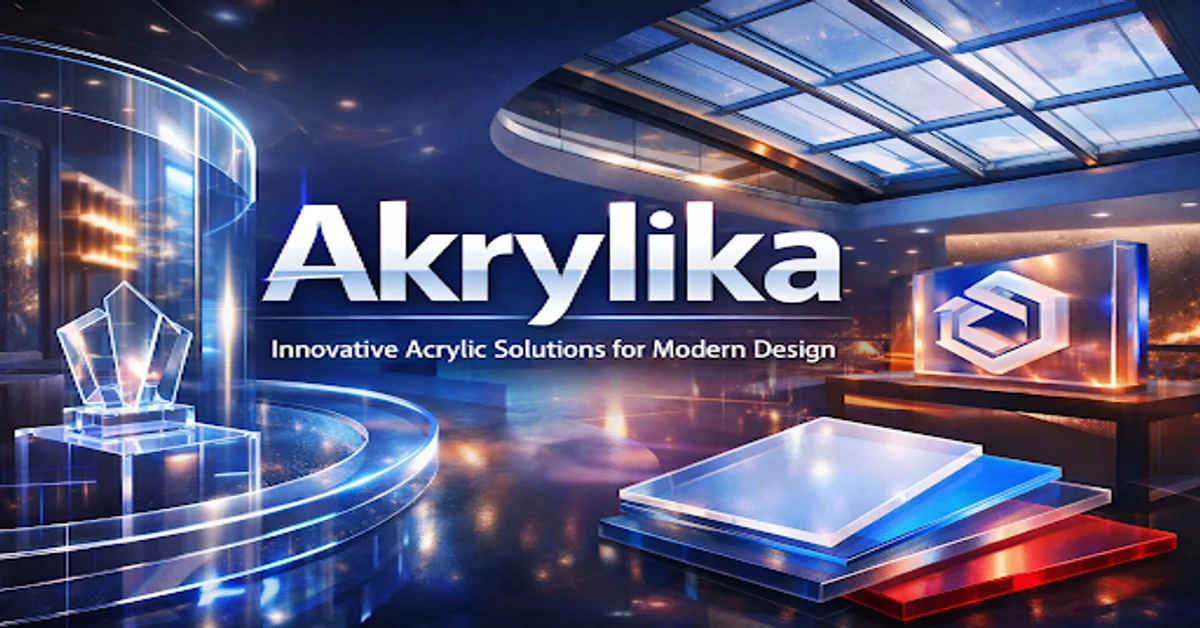
Akrylika: Stylish Acrylic Innovations
Last Updated on March 24, 2026 by Admin
Akrylika is a design and manufacturing approach centered on high-quality acrylic materials and advanced fabrication methods. Rather than being a single product, it’s a concept: combining the best properties of acrylic — such as transparency and impact resistance — with modern treatments, coatings, and customization services. Think of Akrylika as acrylic evolved for demanding design.
Acrylic materials are pivotal in contemporary design because they deliver glass-like clarity without the weight and fragility of glass. Designers use acrylic to preserve light transmission while enabling creative forms — from curved partitions to luminous signage — that would be costly or risky in glass.
Businesses choose Akrylika because it balances brand impact and operational sense: it enhances customer experience with striking visuals while offering low maintenance and long lifecycles. For retail and hospitality, that translates into displays and signage that stay vibrant under heavy use.
RELATED: Aagmqal: The Smarter Way to Stay Productive
Understanding Acrylic Materials
What is Polymethyl Methacrylate (PMMA)?
Polymethyl methacrylate (PMMA) is the chemical name for the acrylic polymer that underpins most clear acrylic products. PMMA is prized in material science because it combines excellent optical clarity with weather resistance and manageable processing characteristics. It’s the fundamental material scientists and fabricators refer to when discussing acrylic performance.
PMMA’s clarity and long-term stability make it the material of choice for many transparent architectural and design components. When you see crystal-clear panels or durable displays labeled “acrylic,” PMMA is usually the polymer doing the work.
Acrylic Resin and Its Properties
Acrylic resin is the manufactured polymer used to produce sheets, blocks, and molded parts. It offers high light transmission (nearly as clear as glass), UV resistance with appropriate stabilizers, and impact tolerance that reduces shattering risk. Modern acrylic resin formulations also include additives for scratch resistance and flame retardancy, depending on the application.
These properties make acrylic resin a strong candidate for both indoor design pieces and exterior architectural elements — especially when longevity and clarity are priorities.
Differences Between Acrylic and Glass
Acrylic and glass both transmit light, but they differ in weight, impact behavior, and workability. Acrylic sheets are significantly lighter and less brittle — they flex instead of shattering. This results in safer installations and easier handling on-site. Acrylic also offers more design flexibility: it can be thermoformed, laser-cut, and bonded into custom shapes with less risk of breakage.
Glass still wins on hardness and scratch resistance in some cases, but acrylic gains points for cost-effective customization, lower installation weight, and broader fabrication options — which is why the acrylic vs glass comparison often favors acrylic for modern design projects.
Why Acrylic Materials Are in High Demand
Lightweight Yet Durable
Acrylic’s lightweight profile reduces transportation and installation costs while maintaining structural usefulness. Projects that need large spans, overhead installations, or frequent reconfigurations benefit because Akrylika panels and units can be installed quickly and safely.
Despite its lightness, acrylic is durable. With appropriate thickness and reinforcement, acrylic panels serve in high-traffic areas and demanding environments, from retail floors to public atriums.
High Transparency and Visual Appeal
One of the most powerful reasons for choosing Akrylika is light transmission. Acrylic maintains superb transparency — perfect for displays and skylights — creating bright, inviting spaces. Colored acrylic sheets add saturated hues without sacrificing translucency, enabling bold visual statements.
Designers use this optical control to craft experiences that guide attention, highlight products, or create layered depth — a transformative advantage for retail and hospitality.
Impact Resistance and Safety
Unlike glass, acrylic resists shattering. If struck, acrylic panels are more likely to crack than fragment dangerously — a crucial safety feature for public spaces. This impact resistance makes acrylic ideal for protective barriers, signage near entrances, and anywhere safety and visibility are both required.
Weather and UV Resistance
With stabilizers, acrylic performs well outdoors: UV-resistant acrylic sheets maintain color and clarity far longer than standard plastics. This weather resistance makes Akrylika suitable for architectural accents, outdoor signage, and skylights where sunlight exposure is constant.
Cost Efficiency Compared to Traditional Materials
Akrylika often presents a cost-effective alternative to glass or metal. Material cost, installation savings (lighter panels, faster work), and reduced replacement frequency (thanks to durability) all contribute to lower lifecycle costs. For businesses watching their bottom line, that combination is persuasive.
Applications of Akrylika in Modern Design
Interior Design: Panels, Partitions, and Decorative Elements
Akrylika panels and partitions redefine interior spatial planning by creating separation without blocking light. From clear partitions that preserve openness to textured or colored panels that add personality, Akrylika empowers designers to reimagine interiors with sophistication and practicality.
Decorative wall features and furniture elements — such as acrylic shelving or accent tables — deliver a modern aesthetic while remaining functional. Acrylic furniture can feel luxurious while staying cost-effective and easy to maintain.
Commercial Branding: Acrylic Signage and Display Units
Acrylic signage is a favorite for brands because it can be precise, luminous, and durable. From backlit retail logos to elegant reception signs, acrylic signage maintains color and clarity under long hours of operation. Acrylic display units for retail spaces elevate product visibility and can be quickly customized to reflect seasonal campaigns.
Acrylic display cases and acrylic blocks (used as bases or presentation pieces) highlight merchandise with clarity and elegance — an instant upgrade for merchandising.
Architecture and Construction: Skylights, Protective Barriers, and Accents
Architects rely on acrylic for skylights, light diffusers, and structural accents where weight savings matter. Acrylic sheets reduce dead load on framing systems while providing the visual benefits of glass. Protective barriers and balustrades made from durable Akrylika materials increase safety without compromising transparency.
Additionally, colored acrylic sheets and textured panels are used as accents to create striking facades or interior focal points.
Creative Uses: Acrylic Furniture, Trophies, and Decorative Objects
Beyond functional use, Akrylika fuels creativity. Acrylic is the go-to for modern trophies, decorative blocks, and art installations. Acrylic blocks and clear panels can be engraved, layered, and lit to create dramatic effects — ideal for awards, installations, and bespoke decor.
Acrylic furniture — chairs, tables, and shelving — enables minimalist expressions while ensuring practical resilience.
Key Benefits of Choosing Akrylika
Long-Term Durability
Akrylika’s engineered acrylic formulations resist yellowing, cracking, and UV-driven degradation. High-quality acrylic installations can retain their original appearance for many years, delivering a reliable return on investment for businesses and homeowners.
Design Flexibility and Customization
From laser cutting acrylic to thermoforming complex shapes, Akrylika enables near limitless customization. Colored acrylic sheets, textured finishes, and precision engraving deliver brand-specific aesthetics and functional design solutions.
Low Maintenance and Easy Cleaning
Acrylic surfaces are easy to clean with a soft microfiber cloth and mild cleaners. Regular, gentle care keeps surfaces looking new and protects the investment, especially in busy commercial settings where ease of maintenance matters.
Eco-Friendly and Sustainable Options
Modern acrylic can be recycled and reformulated; manufacturers are increasingly adopting responsible production methods. The long lifespan of Akrylika products reduces material turnover, contributing to more sustainable design practices.
Real-World Examples of Akrylika Applications
Retail Store Transformation with Acrylic Display Units
A mid-sized retailer revamped its store by replacing wooden shelving with custom acrylic display units. The result: improved product visibility, lighter fixtures for easy rearrangement, and a modern aesthetic that increased dwell time and sales. Akrylika’s clarity helped products pop under accent lighting, delivering measurable ROI.
Office Interiors and Modern Partitions
Corporate offices often use Akrylika partitions to create private workspaces without sacrificing daylight. The material’s acoustical and visual flexibility allowed the company to segment space while maintaining a unified, contemporary look.
Architectural Innovations Using Acrylic Sheets
Architectural projects employ acrylic sheets for skylights and façade accents where weight and clarity are paramount. Architects report that acrylic panel applications reduce structural demands and allow creative forms that would be impractical in glass.
Customization and Innovation with Akrylika
Laser Cutting and Engraving Techniques
Laser cutting acrylic produces precise, clean edges ideal for detailed signage, complex shapes, and interlocking assemblies. Engraving unlocks tactile branding opportunities — think subtle logo etching or decorative patterns that catch light differently.
Colored Acrylic Sheets and Textures
Colored acrylic sheets enable vibrant branding without paint. Designers combine transparent colors and frosted textures to sculpt mood, direct focus, and complement material palettes. Textured surfaces diffuse light attractively and conceal minor wear over time.
Integrating Lighting and Smart Design Features
Akrylika integrates seamlessly with LED lighting and digital elements. Edge-lit panels and embedded light channels transform simple panels into dynamic signage or mood lighting — a powerful tool for experiential design.
Maintenance and Care Tips for Acrylic Surfaces
Cleaning Best Practices
Use a soft microfiber cloth and a mild, non-abrasive cleaner. Spray cleaner onto the cloth (not directly on the surface) and wipe gently. Avoid ammonia and alcohol-based cleaners unless specified by the manufacturer, as they can cause crazing.
Avoiding Scratches and Damage
Prevent abrasive contact and do not use scrubbing pads. For fine scratches, specialized acrylic polishing compounds can restore clarity. Always test products on an inconspicuous area first.
Preserving Clarity and Shine
Routine gentle cleaning and occasional polishing keep surfaces luminous. For outdoor Akrylika installations, ensure UV-stable products and maintain seals to extend service life.
Sustainability and Environmental Considerations
Recyclable Acrylic Materials
Acrylic can be reclaimed and processed into new sheets or products when handled correctly. Choosing suppliers who accept post-industrial scrap or provide closed-loop recycling strengthens sustainability credentials.
Long Lifespan Reducing Waste
Durable Akrylika installations lower replacement frequency and associated waste — a pragmatic sustainability benefit that also reduces total lifecycle cost.
Responsible Production Methods
Leading manufacturers are reducing energy use, minimizing solvent emissions in production, and offering recycled content options. Specify suppliers with transparent environmental practices to align your project with green goals.
The Future of Acrylic Solutions
Emerging Fabrication Technologies
Advances in CNC, laser, and 3D-forming technologies make complex acrylic geometries easier and more affordable. Expect faster lead times and more refined finishes as fabrication tech matures.
Smart Acrylic Installations
We’re seeing Akrylika used with interactive lighting, embedded sensors, and even conductive elements for touch applications. Smart panels will enable adaptive environments that respond to occupancy and mood.
Trends in Modern Interior and Architectural Design
Trends point toward biophilic lighting, translucent partitions, and multi-functional elements. Akrylika’s ability to blend form and light positions it at the center of modern aesthetic and functional trends.
Why Businesses Prefer Akrylika
ROI and Durability Benefits
Lower installation costs, reduced replacement needs, and strong visual impact combine to drive excellent ROI. Businesses that invest in Akrylika often see lower lifecycle costs and stronger brand presentation.
Enhancing Customer Experience
Acrylic signage and displays help customers see products better and feel confident in brand quality. The polished look of acrylic signage communicates professionalism and modernity.
Versatility Across Industries
From hospitality and retail to education and healthcare, Akrylika adapts to varied requirements — safety, hygiene, aesthetics — making it a versatile material for diverse industries.
RELATED: Ingebim: Powering Smart Digital Innovation
Frequently Asked Questions
What is the difference between Akrylika and regular acrylic?
Akrylika refers to a premium, design-focused approach to acrylic solutions — often incorporating higher-grade PMMA, UV stabilizers, coatings, and advanced fabrication. Regular acrylic can be more basic; Akrylika emphasizes performance and customization.
Are acrylic sheets recyclable?
Yes — acrylic can be recycled. Look for suppliers offering take-back programs or recycled content options, and specify closed-loop recycling where possible.
How do acrylic and glass compare for outdoor use?
With proper UV resistance and coatings, acrylic performs well outdoors and stays clearer longer than untreated plastics. Glass may resist scratches better but is heavier and can shatter.
Can acrylic be laser cut and engraved?
Absolutely. Laser cutting acrylic produces clean edges and crisp details, and engraving can create subtle branding effects ideal for decorative panels and signage.
What maintenance does Akrylika require?
Routine cleaning with a soft cloth and mild cleaner, avoiding abrasives and ammonia. For scratches, use polishing compounds designed for acrylic.
Summary
Akrylika delivers clarity, strength, and creative freedom. It combines PMMA-based performance with modern fabrication to create durable, eye-catching installations that are easy to maintain and cost-effective over time. Whether you’re considering acrylic display units for retail, skylights for an architectural project, or custom acrylic furniture, Akrylika is a compelling option.
Choosing Akrylika means investing in a material system that empowers creativity and delivers dependable performance. With responsible sourcing and proper maintenance, Akrylika will continue to be a smart choice for designers and businesses focused on lasting impact.